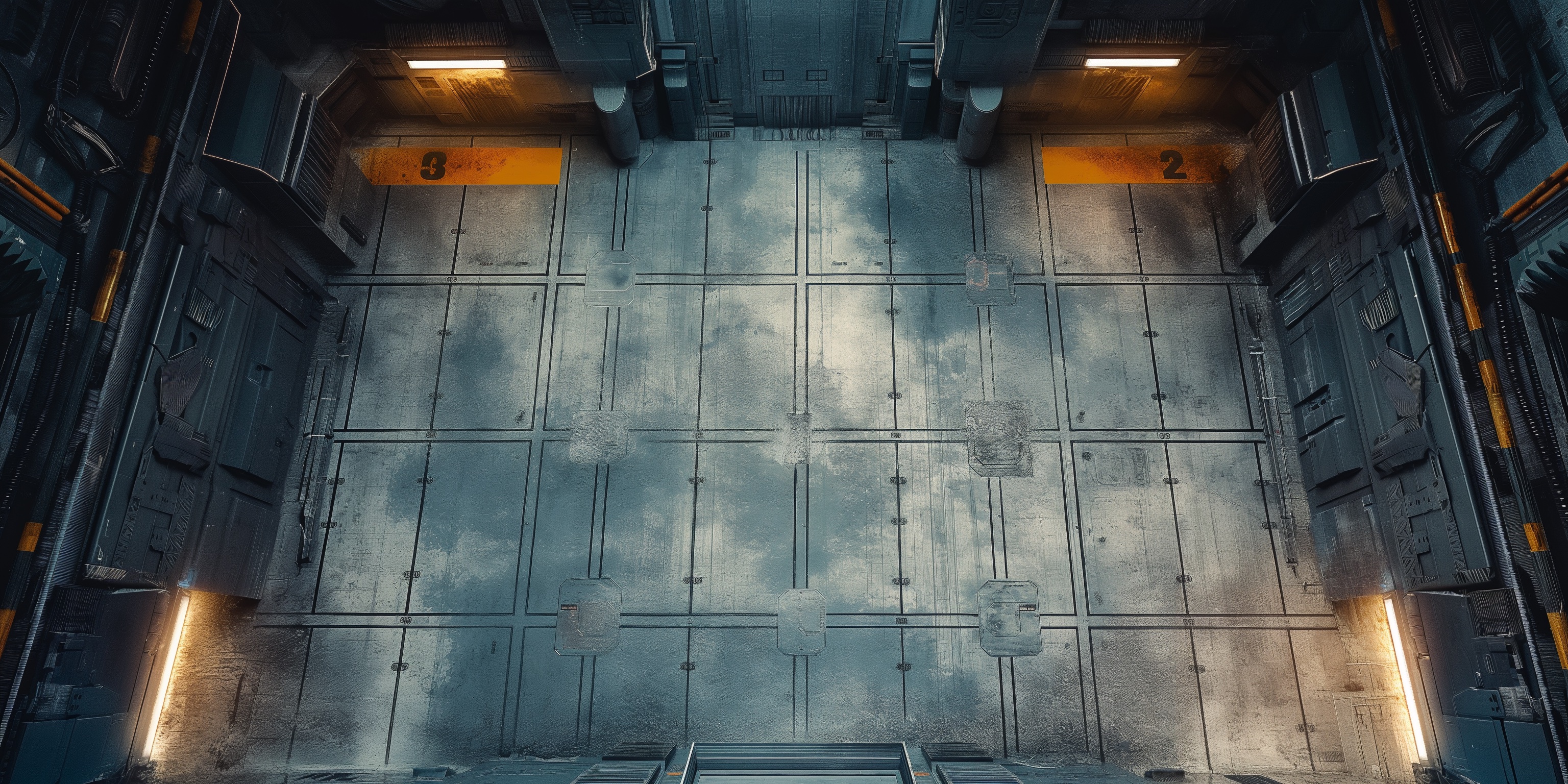
Let’s be honest: Revision is not fun to play yet. The combat feels flat, the balance is nonexistent, and half the time you’re just watching numbers go down. But — and this is the part that matters — there is now actual gameplay happening. Systems are connecting, things are moving on screen, and for the first time it feels like there’s a real game buried under all the placeholder art and debug text.
Turret Skills
The biggest addition this round is turret skills — abilities that go beyond just placing a static gun on the field. Turrets can now be deployed with specific behaviors attached: burst fire, area suppression, target prioritization. It’s early, but the groundwork means turrets will eventually feel like distinct tactical choices rather than generic “place and forget” units.
Right now the skill system is simple. A turret gets assigned a skill on spawn, and that skill modifies how it behaves in combat. The architecture supports stacking and swapping skills later, but for now it’s one skill per turret. Even at this basic level, it changes how encounters play out — a turret with burst fire clears clustered enemies differently than one with steady tracking.
Enemies That Don’t Just Walk at You
Enemy behavior got a pass too. Previously, every enemy did the same thing: spawn, walk toward the nearest target, attack. Now there’s at least some variation. Some enemies pause at range before engaging. Some change targets mid-fight. It’s not sophisticated AI by any stretch, but it’s enough to make the battlefield feel less like a conveyor belt of damage sponges.
The retargeting logic is smarter now — enemies factor in distance and threat level rather than just chasing whoever is closest. If a turret is shredding them, they’ll consider switching to it instead of tunnel-visioning the player. Small change, big difference in how fights feel.
The Honest State of Things
Here’s what works:
- The core loop exists — you fight waves, collect items, manage your loadout, go again
- Turrets deploy and fight alongside you with actual skill variation
- Enemies spawn, scale with waves, and have basic behavioral differences
- Items drop, get picked up, persist across runs
- XP, coins, and levels all save and carry forward
Here’s what doesn’t work yet:
- It’s not fun. The moment-to-moment gameplay lacks juice — no screen shake, no impact effects, no satisfying feedback when you hit something
- Balance is a guess. Enemy health, damage numbers, spawn rates — all placeholders. Some waves are trivial, others are impossible
- Visual clarity is poor. It’s hard to tell what’s happening in a fight. Bullets blend together, enemies look similar, and there’s no real visual hierarchy
- The economy does nothing. You earn coins with nowhere to spend them
None of this is surprising. These are all solvable problems, and most of them fall into the “polish” category that comes after the systems are in place. The systems are in place now. That’s the point.
Why Share This
I’m sharing this not because it’s impressive, but because I think there’s value in showing the messy middle. Every game goes through a phase where it technically works but doesn’t feel like anything yet. The temptation is to stay quiet until there’s something polished to show — but then you miss out on documenting the journey.
Revision is a game now. A bad one, but a game. And bad games that have working systems are much closer to good games than most people think. The distance between “functional but flat” and “actually engaging” is mostly iteration, feedback, and juice. The hard part — building the architecture — is done.
What’s Next
The immediate priorities are all about game feel:
- Screen shake and hit effects
- Better visual feedback for damage dealt and received
- Sound design (even placeholder sounds would help enormously)
- A proper shop to give coins a purpose
The systems are there. Now it’s time to make them feel good.